


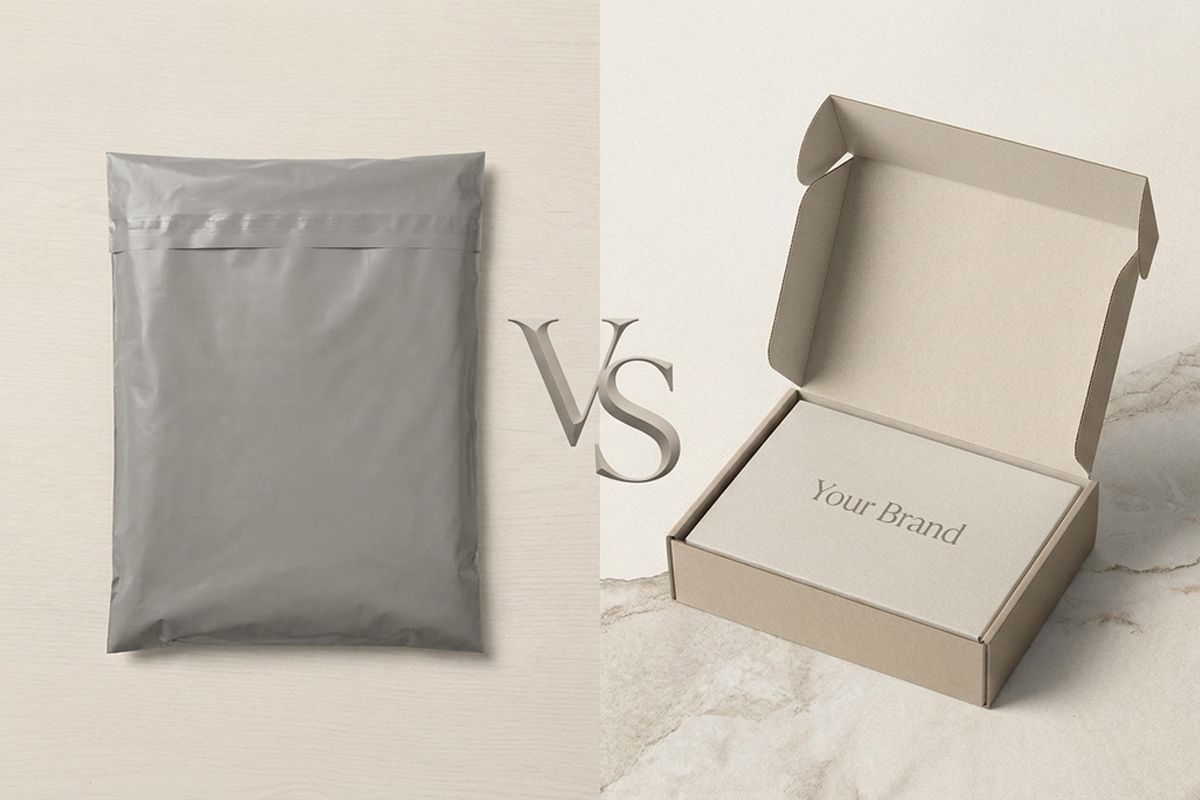
Many dropshipping sellers rely on generic products to quickly enter the market, but as competition intensifies, this model becomes increasingly difficult to sustain. Facing price wars, rising advertising costs, and customer churn, optimizing with custom services has become a choice for more sellers seeking sustainable growth. This path helps stores enhance unique value and customer satisfaction.
Step 1: Recognize Reality and Clarify the Need for Optimization
The pure dropshipping model has low barriers and fast starts, allowing many sellers to gain orders through product selection and advertising initially. However, as the market saturates, widespread similar products compress profits and low repeat purchase willingness becomes a common challenge. Sellers often find the lack of differentiation limits business growth.
The starting point for optimization with custom services is reflection: What do target customers truly seek? Can the supply chain support personalized options? In GSR collaborations, many sellers begin here, gradually introducing custom elements from simple packaging to product personalization to improve overall experience.
This optimization can significantly boost customer satisfaction. When customers receive thoughtfully customized packages, they often feel more cared for and even share proactively. This is not abstract but a verified outcome from many optimized sellers.
Step 2: Select Suitable Products and Customization Directions
The core of optimization is adding value to existing offerings. Sellers do not need to abandon their categories entirely but can upgrade popular base products with customization.
For example, in home goods or personal care, a standard organizer or care tool faces fierce competition in generic form. By adding personalized patterns, material upgrades, or functional enhancements, it becomes a more appealing option. Customers perceive better alignment with their needs.
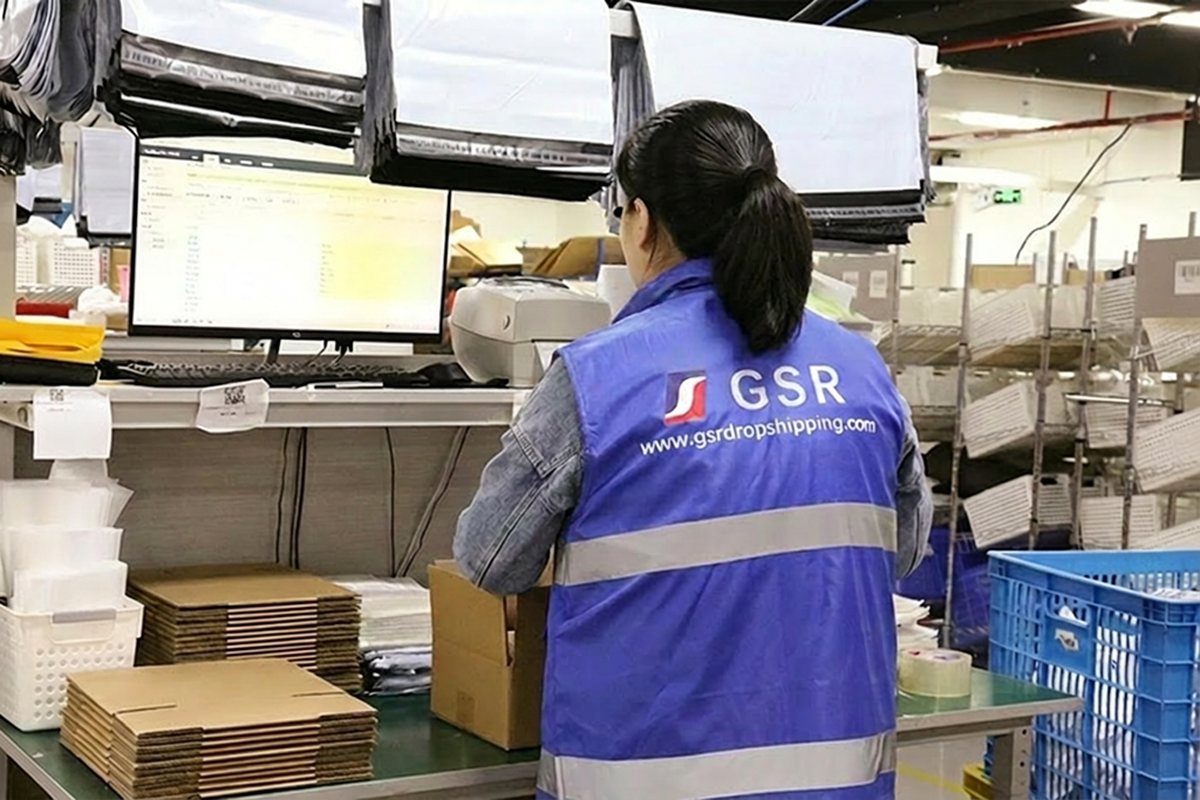
Among GSR partners, many sellers start with popular base items such as personal care tools or small home gadgets, then add custom options like color schemes, or special packaging. Testing in small batches first ensures quality before scaling, effectively managing risks.
Step 3: Create Unique Product Presentation and Customer Experience
The focus of optimization is delivering beyond-standard experiences. Adjusting product details around customer lifestyles can make the store more attractive.
Many cases show that optimizing product lines for specific needs works well. For instance, focusing on daily relaxation scenarios with items like portable massagers, protective glasses, and aroma diffusers, each moderately adjusted for real use. Packaging and descriptions adopt thoughtful styles, making customers feel valued.
Presentation consistency is equally important: unified product photography and professional descriptions quickly elevate the professional image. Platforms like Shopify offer various tools to support these optimizations. Every adjustment accumulates customer goodwill.
Step 4: Optimize Supply Chain and Fulfillment Experience
Supply chain stability is critical to optimization success. Delays or quality issues common in pure dropshipping are amplified as business scales.
Reliable custom service partners effectively address this. Teams like GSR assist with factory customization, strict quality control, and global fast fulfillment. With automatic order syncing, sellers can focus on marketing and customer service.
Optimized sellers report that improved shipping times and packaging upgrades boost satisfaction and repeat willingness. This lays the foundation for stable business growth.
Step 5: Upgrade Marketing and Customer Operations
Pure dropshipping often depends on paid ads, while optimization with custom services enables diversified approaches combining content marketing, organic social traffic, and email nurturing.
In content, sharing usage tips and lifestyle scenarios attracts audiences; social media encourages user sharing for interaction; email marketing enhances stickiness through personalized reminders. After optimization, organic traffic increases and ad efficiency improves.
Challenges such as design testing or detail adjustments may arise during optimization, but these are part of the accumulation process. Many sellers note that improved customer experience clearly elevates business value.
Step 6: Continuous Iteration for Long-Term Growth
Custom service optimization is a dynamic process. Sellers should regularly analyze data, gather feedback, and adjust options with partners. Service providers like GSR offer quick support to help maintain competitiveness.
From real cases, sellers who persist with optimization gradually build stable revenue streams and achieve growth through systematic adjustments. The business evolves from pure sales into a more sustainable model.
Different sellers can choose paths based on their situations: some focus on specific need optimizations, others combine creative adjustments. Finding the right rhythm matters most.
Take the First Optimization Step and Open a New Chapter
Pure dropshipping serves as an excellent starting point, but for sellers seeking better experiences, higher stability, and long-term development, optimizing with custom services is worth exploring. It requires effort, but the returns show in customer satisfaction, business stability, and growth potential.
Sellers interested can explore GSR Dropshipping’s professional support, offering one-stop services from product sourcing to custom fulfillment. Experience and begin the business optimization journey.