


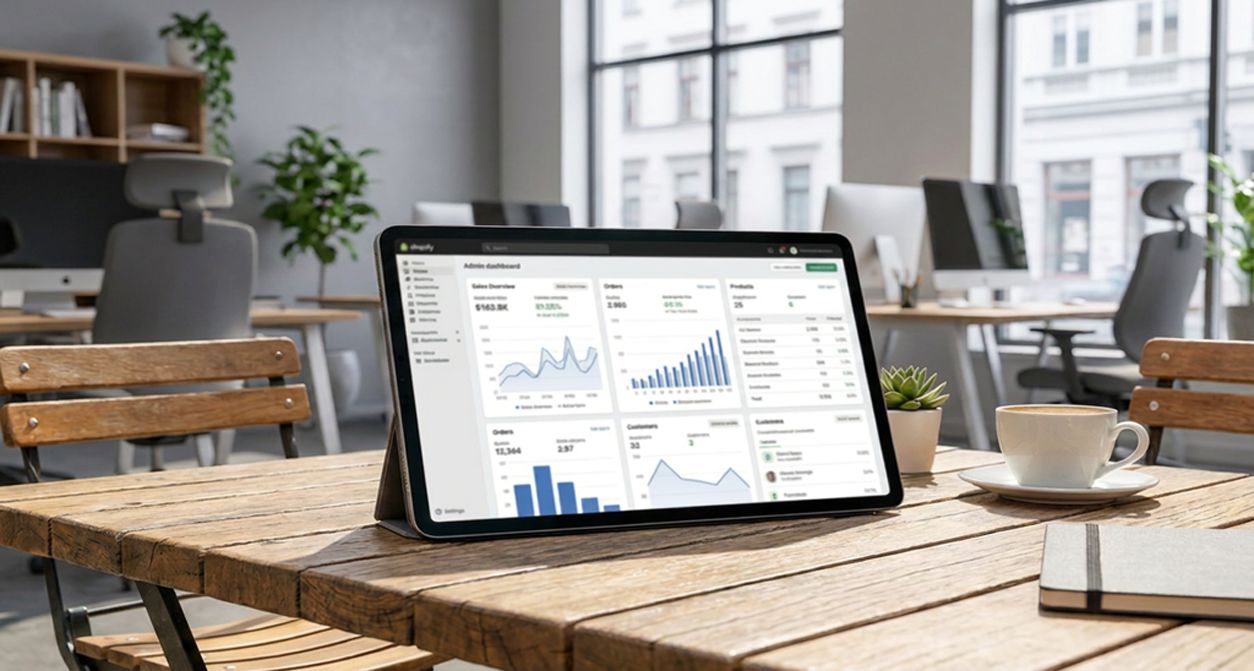
Imagine your Shopify store, carefully built with steady traffic and consistent orders coming in. But as advertising costs rise and competition intensifies, you start wondering: How far can the business go relying on Shopify alone?
This is a stage many dropshipping sellers who started with Shopify eventually reach. In the Shopify ecosystem, everyone enjoys the advantages of flexible site building, rich themes, and independent branding experience. However, the limitations of a single platform gradually become apparent. Many sellers, starting from here, rationally choose multi-channel layout — using Shopify as the main base and extending to other channels for traffic supplementation and risk dispersion. Today, from the perspective of Shopify sellers, let’s discuss the specific methods for this expansion path.
The Growth Bottlenecks of Shopify Stores
Shopify is the preferred platform for many dropshipping sellers. It is user-friendly, has beautiful themes, and integrates smoothly with various tools, helping countless people quickly launch and test products. However, when the store reaches a certain scale, common bottlenecks appear:
- Traffic acquisition increasingly relies on paid ads, with costs continuing to climb.
- Minor platform algorithm or policy adjustments can affect organic exposure.
- Customer sources are relatively concentrated, making it difficult to cover broader regions and demographics.
- Seasonal fluctuations make income less stable.
These issues are not flaws of Shopify itself but common challenges of single-platform operations. Many sellers who have accumulated brand foundation and operational experience on Shopify naturally consider expanding outward with it as the core.
The Value of Multi-Channel Layout with Shopify as the Core
Treating Shopify as the main base, multi-channel layout is actually a strategic upgrade that builds on success. It retains the core advantages of the independent site while using other channels to supplement traffic and test markets.
Key values include:
- Traffic Diversification: Shopify handles brand image and deep conversion, while other channels bring additional exposure.
- Risk Dispersion: When Shopify ad costs are high, other channels provide a buffer.
- Data Insights: Feedback from different channels can feed back into optimizing Shopify product pages and marketing strategies.
- Business Resilience: Overall resistance to fluctuations is enhanced, making steady growth easier.
Many sellers who started with Shopify report that after reasonable layout, they no longer put all hopes on a single traffic source, and both mindset and performance become more stable.
How to Smartly Expand with Shopify as the Core
Expansion is not about starting over but a planned extension centered on Shopify.
Expansion Ideas:
Continue deepening Shopify, optimizing independent site experience, content marketing, and loyal customer systems. At the same time, based on product characteristics and small-scale testing, gradually extend to other suitable channels
Starting Approach:
Select 3-5 best-performing products from your existing Shopify store, make minor adjustments, and test on other channels. Observe data (traffic, conversion, feedback) for 4-6 weeks before deciding whether to expand. This “Shopify-led + small-step testing” method minimizes risk.
In product adaptation, prioritize categories that perform well on Shopify and extend outward. These products have demand across scenarios and are easy to adjust for presentation.
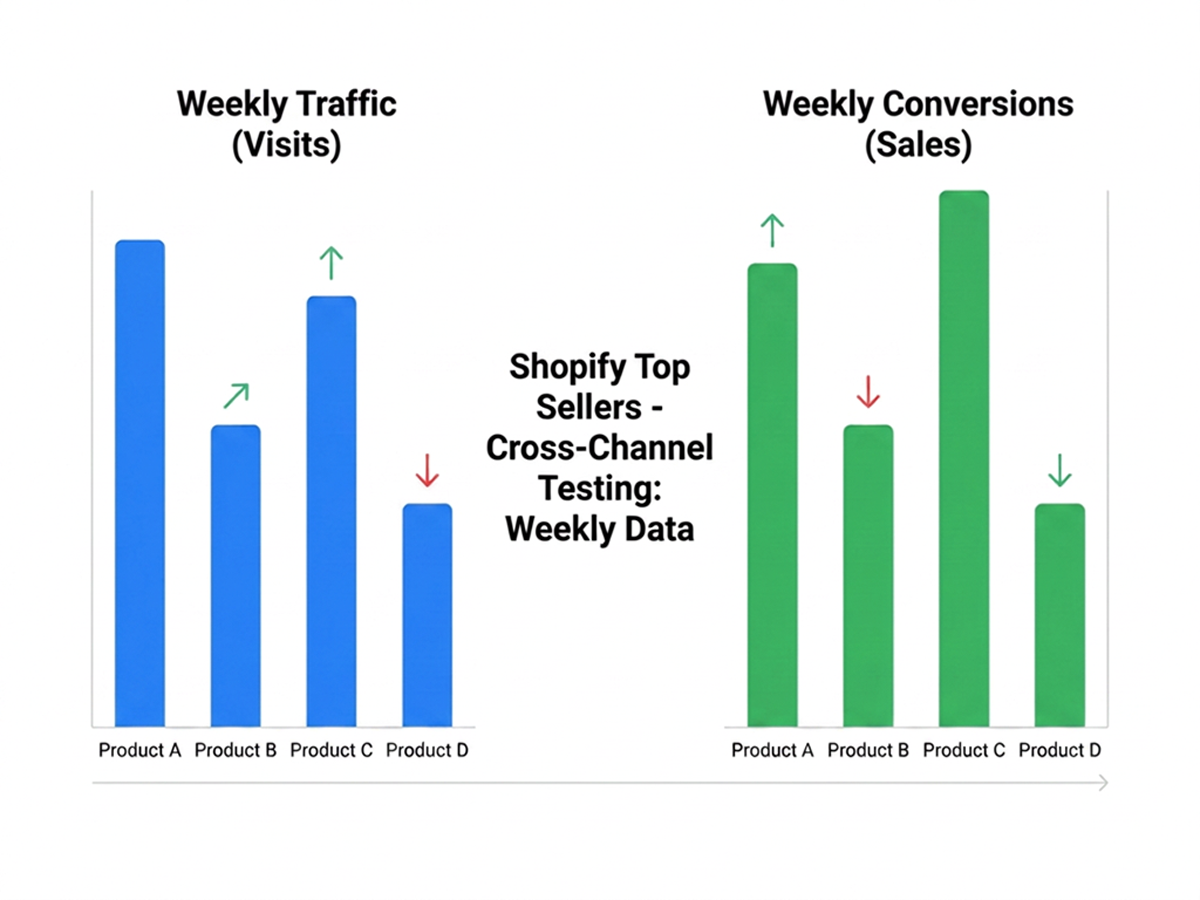
Diagram illustrating the multi-channel small-batch testing framework. We select proven products from Shopify and trial them on additional channels, tracking weekly traffic and conversion metrics. This visual demonstrates our evaluation logic, not raw data from a complete 4–6 week testing cycle.
Key Execution Points
The focus of multi-channel operations with Shopify as the core is coordination rather than fragmentation.
- Inventory and Order Management: Use tools that support multi-channel synchronization for unified control between Shopify and other channels to avoid inventory conflicts.
- Differentiated Content Marketing: Tell brand stories on Shopify and focus on different aspects on other channels. Core materials can be created on Shopify and then adapted.
- Customer Service Consistency: Maintain professional response speed to build overall reputation.
- Unified Logistics Fulfillment: Choose reliable fulfillment methods to ensure customer experience is consistent regardless of the channel.
- Budget and Resource Allocation: Continue investing primarily in Shopify, test new channels with small proportions, and gradually adjust based on actual results.
Common Challenges and Solutions
Challenges such as learning new channel rules and unsatisfactory initial data may arise during expansion. Suggestions:
- Document notes for each channel’s characteristics.
- Join seller communities to exchange Shopify expansion experiences.
- Set small goals — first focus on running through the order process rather than chasing sales.
- Maintain a data-driven mindset and regularly review to feed back into Shopify main store optimization.
After persisting for a period, most sellers see positive changes.
Long-Term Thinking and Trends
As the e-commerce environment develops toward multi-channel, layout with Shopify as the core will become standard for more mature sellers. It is not a denial of Shopify but a way to amplify its advantages.
If your current Shopify store is already on the right track, consider small-step expansion. The accumulated experience will not only bring new revenue but also make the entire business more resilient.
Rational Layout Makes the Shopify Path Broader
Dropshipping based on Shopify has helped many sellers get started. Multi-channel layout is the sober choice to take the business further. It requires planning and persistence, but the growth space and peace of mind it brings are worthwhile.